
Trees are an important part of what makes the Upper Peninsula such a special place. They also play a significant role in electric reliability.
When trees grow too close to power lines, they can cause outages, create safety hazards and make it more difficult for our crews to respond when problems occur. That’s why UPPCO maintains a proactive vegetation management program designed to keep trees and power lines safely apart before a problem occurs.
UPPCO trims approximately 370 miles of overhead lines each year as part of a six-year maintenance cycle. Maintaining that cycle is one of the most important things we can do to help keep the power on.
However, vegetation management is a shared responsibility. UPPCO works proactively to manage vegetation within its rights-of-way and reduce tree-related outages. Property owners also play an important role by considering where trees are planted and addressing trees outside the right-of-way that could reach power lines. When we each do our part, we can help keep trees managed, power lines clear, and electric service reliable for everyone.
What to Expect When Crews Are in Your Area
When vegetation management work is scheduled near your property, we want you to know what to expect.
- Notification
Customers in designated areas receive advance notice that vegetation management is planned in their vicinity. - Contact
All property owners and customers in a targeted work area are first sent a letter to explain the purpose and timeframe of the planned work ahead. When work is expected on or near a property, our contracted tree crews attempt to contact the property owner directly. If they cannot make contact, they leave a door card with information about the planned work and a phone number for questions. - Work
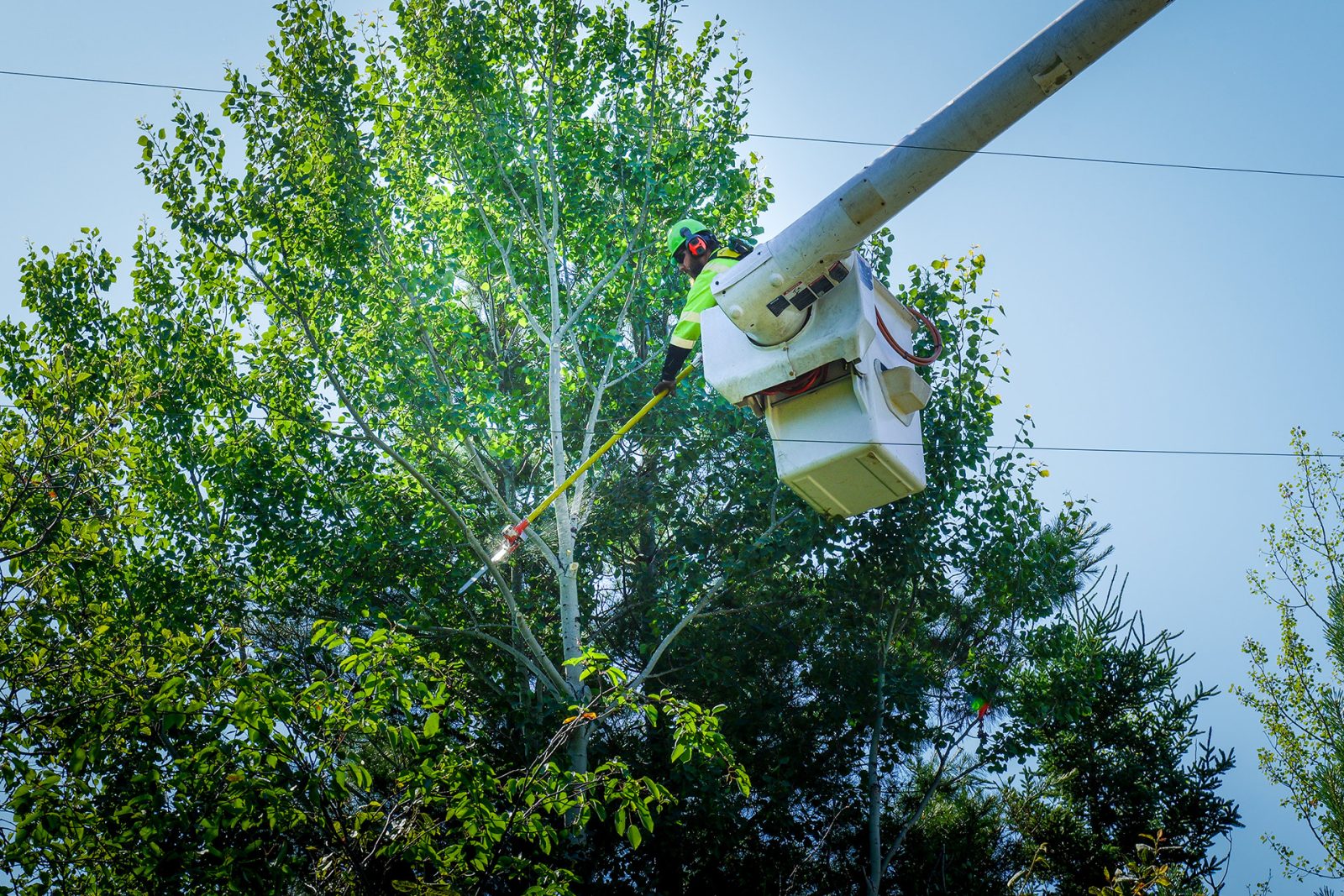
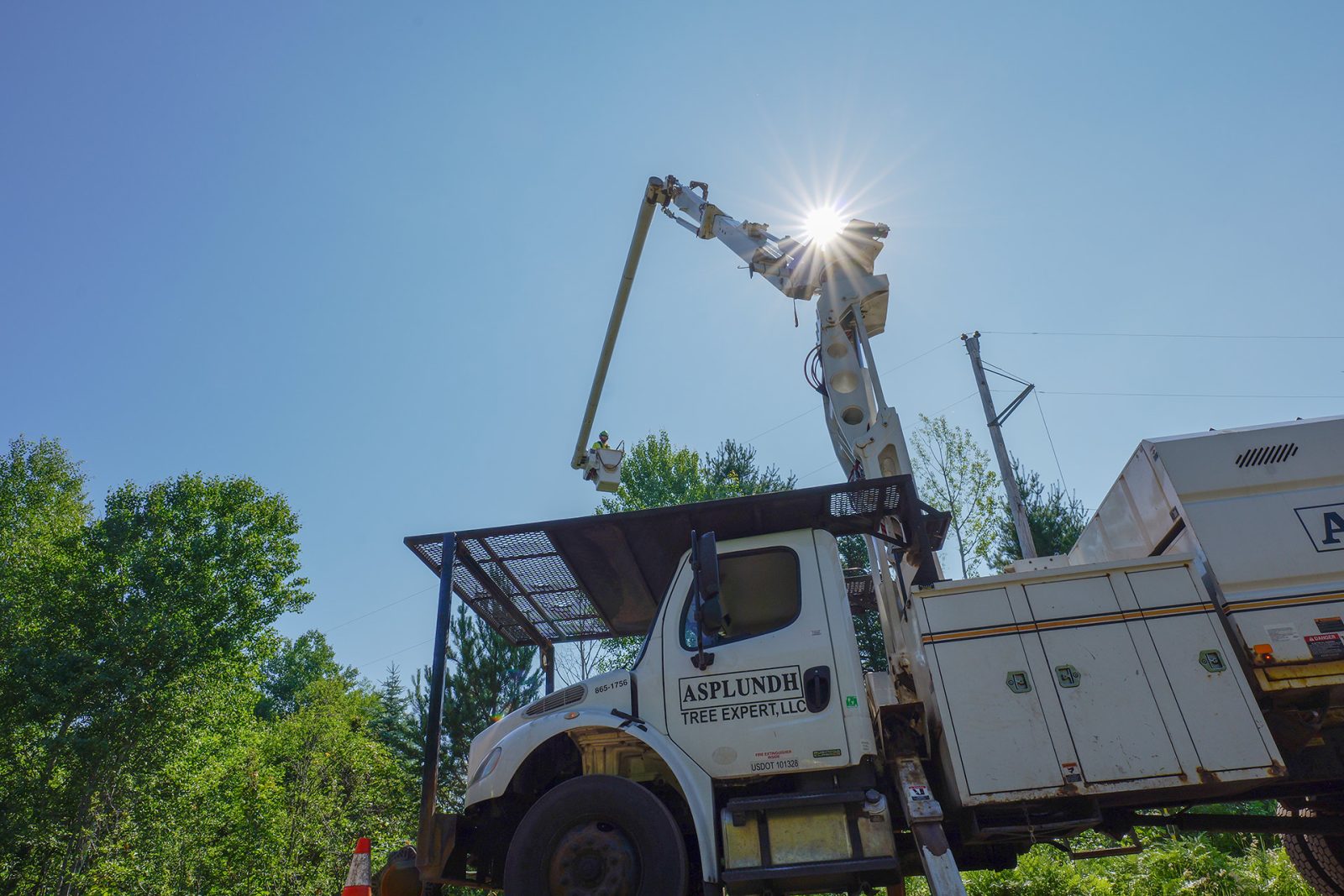
Trained line-clearance arborists perform the necessary trimming or removal using specialized equipment and established industry practices. - Follow-up
UPPCO conducts follow-up inspections and audits to make sure vegetation management activities meet our safety and quality standards.
The Right Tree in the Right Place
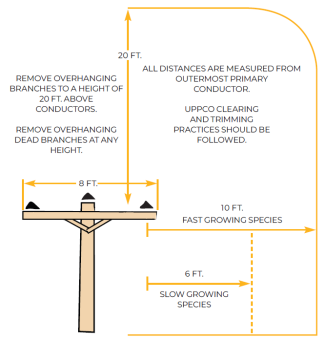
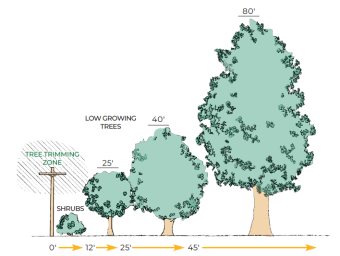 Good vegetation management isn't about removing every tree near a power line. It's about keeping trees managed while reducing the chance they'll interfere with electric service.
That's why “right tree, right place” matters. Trees planted directly beneath or too close to power lines are more likely to need significant trimming as they grow. Choosing the right tree and planting location can help avoid future conflicts.
Planning to plant? Our Lines, Limbs & the Landscape brochure (PDF) can help you choose a species and location that is conducive for both the tree and the power system.
Why Trees Outside the Right-of-Way Matter
Not every tree that can cause an outage is growing within the area UPPCO regularly maintains. If a tree is tall enough to reach a power line when it falls, it can still cause an outage.
In fact, 92% of large outages on UPPCO's system are caused by trees outside the right-of-way. Whole-tree failures from outside the right-of-way account for about 33% of large outages, and 97% of those trees show no visible defect before they fall.
The three tree species associated with the most large outages are:
- Balsam fir 18.29%
- White pine 17.07%
- White spruce 14.63%
That's why property owners also have a role to play in reliability. UPPCO maintains vegetation within its rights-of-way, while property owners may be responsible for trees outside the right-of-way that could still reach our equipment. When crews identify potential problem trees outside of the right-of-way, they inform property owners and suggest appropriate follow up.
When Should You Call UPPCO?
Our six-year trimming cycle means you generally don't need to call us for routine tree trimming. We'll address vegetation in your area as part of our regular maintenance schedule.
Contact UPPCO if:
- A tree is leaning on or significantly affecting a power line.
- A tree or large limb is resting on a power line.
- A fallen tree has damaged UPPCO equipment.
- A tree-related situation creates an immediate safety concern.
Never approach a tree or limb that is touching a power line. Stay away and contact UPPCO to report the issue.
UPPCO Customer Service
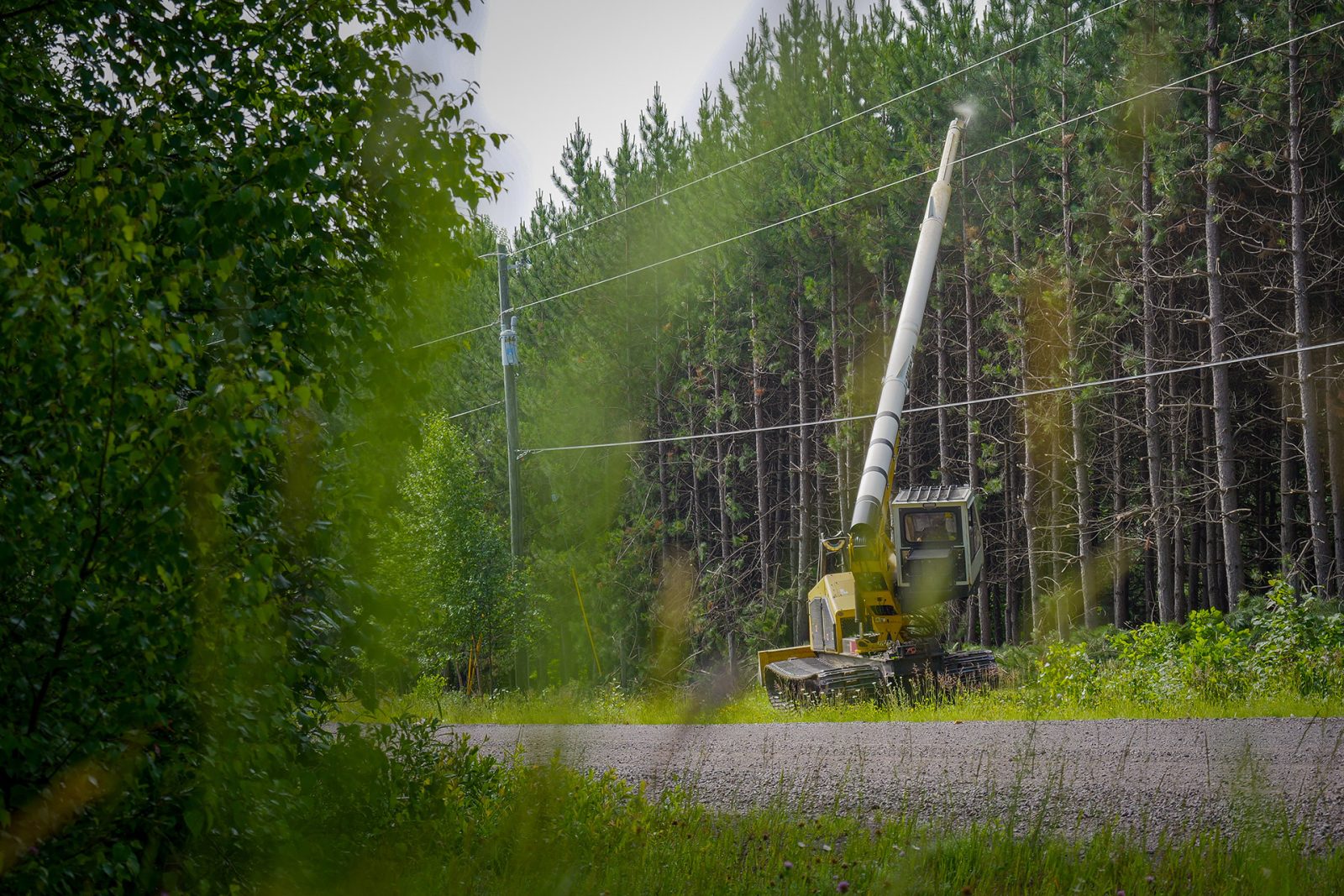
Keeping Our Crews on Preventive Work
Overgrown vegetation can cause outages and make it harder for crews to reach damaged equipment when an outage occurs.
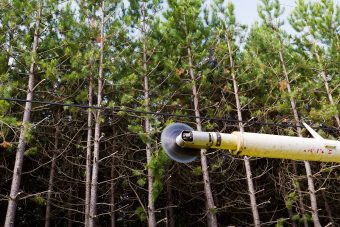 That's why we work to keep our vegetation crews focused on scheduled maintenance rather than emergency response. Staying ahead of vegetation problems helps improve reliability and makes better use of our resources.
When trimming is needed, our contractors use techniques that work with the tree's natural growth. The goal isn't always to make a tree look perfectly symmetrical. Instead, cuts are made to support predictable growth and help the tree recover properly. The result is a safer, more reliable electric system.
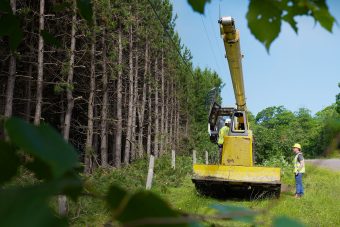 UPPCO recently began using specialized equipment, including a Jarraff, in areas where it can safely speed up vegetation clearing.
Because the Jarraff works so efficiently, you may see trimmed areas before the follow-up cleanup crews have arrived. A separate crew returns to remove trimmings and debris, and UPPCO is actively working with its contractors to shorten the time between these two steps.
Supplementing Trimming
In some areas, UPPCO may use carefully targeted herbicide applications to control certain vegetation and reduce the need for repeated mechanical trimming.
Herbicide use is not a one-size-fits-all approach. Before treatment, our vegetation management partners consider the specific conditions of the area including the types of vegetation present, terrain, weather, surrounding habitat, and wildlife to determine the appropriate approach.
Treatments are selected and applied using methods that have been scientifically tested and established for vegetation management. Applications target incompatible woody vegetation while preserving grasses, herbs, and compatible shrubs that can provide long-term biological control.
The conditions of each location also help determine how and when the work is performed. This allows UPPCO to manage vegetation while considering the surrounding environment, including habitat and wildlife.
Customers who have questions or concerns about herbicide use, or who would like to opt out, can contact UPPCO for more information.
UPPCO Customer Service
To learn more, or access relevant FAQs, visit our Vegetation Management page.
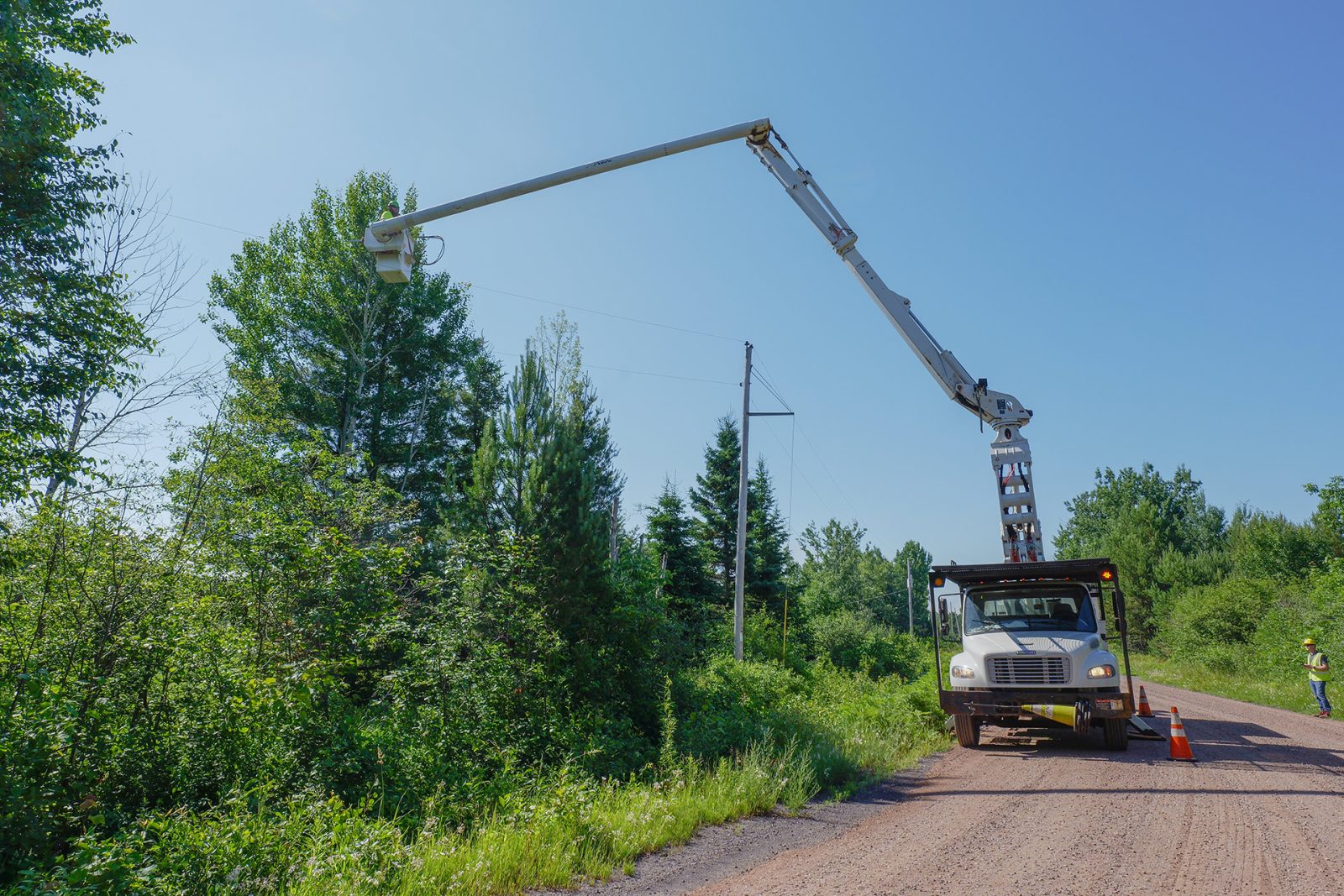
Working Together for Reliability
By maintaining a regular trimming cycle, using the right techniques and equipment, and working together with property owners, UPPCO is helping keep trees where they belong and power lines clear of them.