Save energy, save money, and improve your home comfort with heat pump technology.
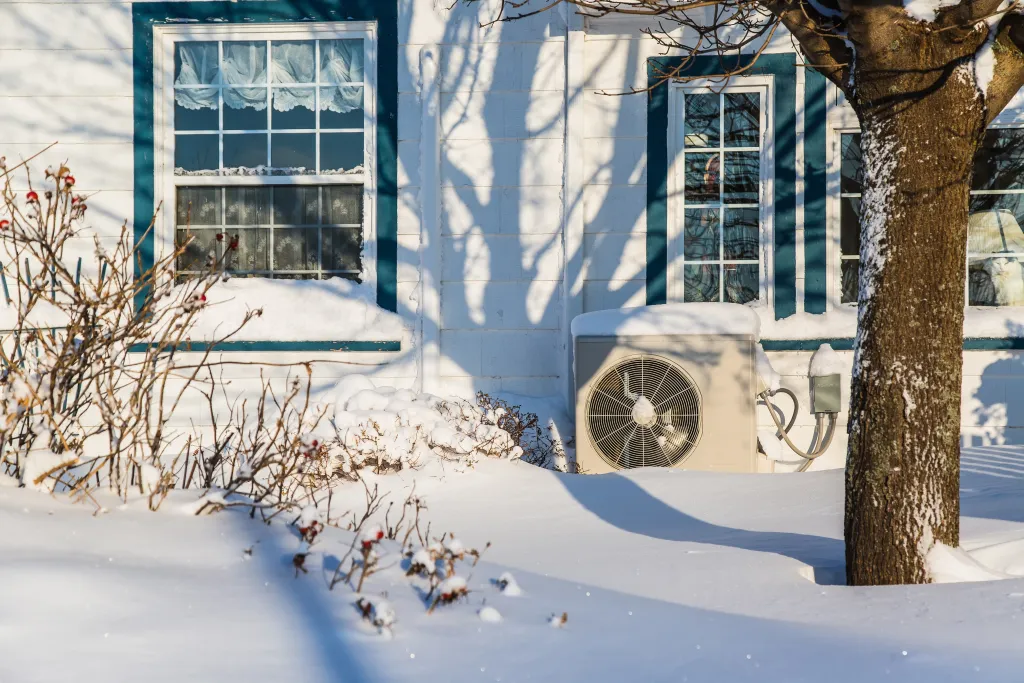
Heat pumps are an efficient way to use energy in your home. Instead of creating heat, heat pumps move heat so you can heat and cool your home, heat your water, and dry your clothes using significantly less energy. Cold climate models are now strong enough to work in winter weather- making them a viable option for home heating in Michigan’s Upper Peninsula.
Part 1

Heat Pump
Basics

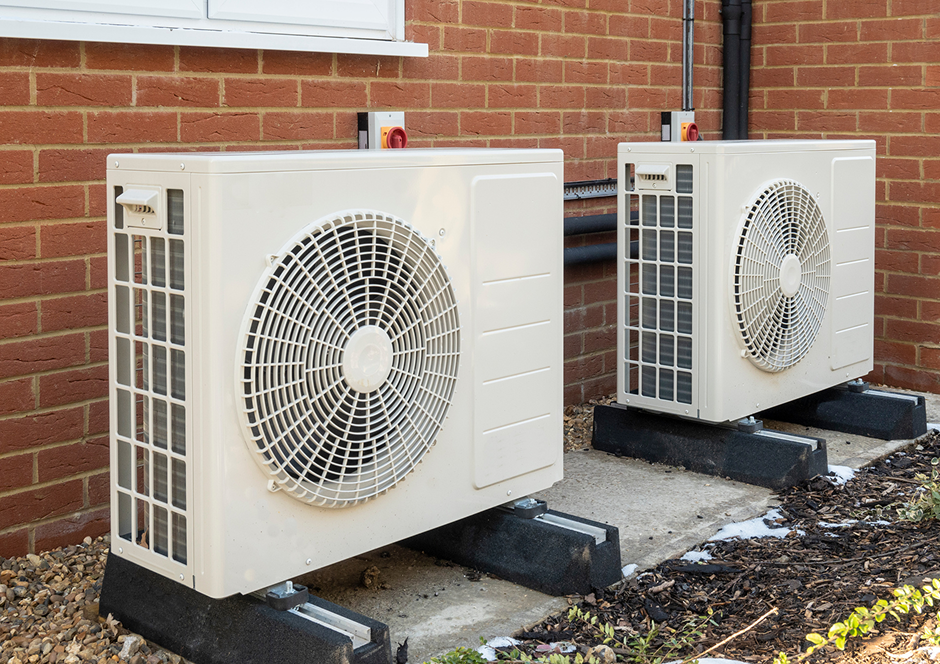
Heat pumps use electricity to take heat from one place and move that heat wherever you want it.

They move heat, instead of making heat by burning something like coal, natural gas, or wood.

They are a heating and cooling system combined. They can both heat and cool your home.

Heat pumps are now strong enough to keep up with most winter weather, though they do have to work harder in the cold.

Heat pumps are really efficient. For every unit of electricity put in, they put out up to four times the equivalent energy.

They tend to be more expensive upfront, but can save the average homeowner up to $900 per year.

Rebates are also available.

Heat pumps are better for the environment and can help reduce air pollution.

Heat pump hot water heaters and clothes dryers are also available, using a very similar technology.
How Does a Heat Pump Work?
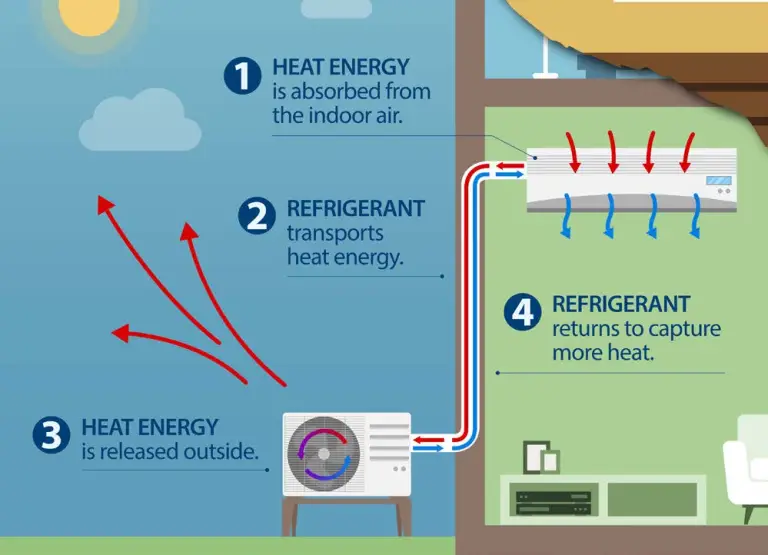
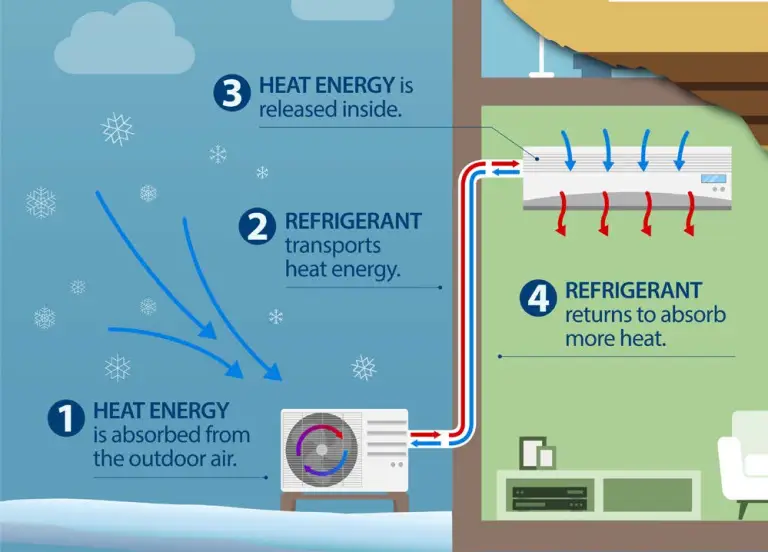
Unlike a gas furnace or wood burning stove, heat pumps don’t create heat; instead, they move heat from one place to another. This is possible because heat energy is naturally present in the earth and air, even when it is cold outside.
Essentially, a heat pump functions as an air conditioner that can also work in reverse. In the summer, the equipment moves heat from inside to outside the home; and in the winter, heat is transferred from outside to inside the home.
Cooling Season
Heating Season
Part 2

Advantages of a
Heat Pump System

Efficiency
Heat pumps use considerably less energy to heat and cool your home, all year long.

Convenience
Since a heat pump system is powered by electricity, you won’t spend time filling tanks, splitting and hauling wood, or dealing with the risk of fuel shortages or seasonal price fluctuations.

Comfort
With heat pumps, you have more control of your comfort. And, thanks to modern features, you can enjoy consistent heating and cooling with quiet equipment operation.

Health
Heat pumps have an air filter that removes harmful particles from indoor air. Many models also provide dehumidification, reducing the likelihood of mold and mildew.

Safety
Since a heat pump is not powered by natural gas or propane, you have less risk of leaks, fires, and carbon monoxide poisoning.

Cleaner environment
Electric-powered heat pumps are designed to produce zero emissions on-site and can utilize renewable energy sources like wind and solar— thereby reducing your environmental impact.
Part 3

Exploring Their
Full Potential
In addition to HVAC uses, heat pump technology can also be used to power other appliances in your home, primarily water heaters and clothes dryers.

Heat pump water heaters move heat from the air, the ground, or a water source into the water inside your unit’s storage tank.

Heat pump dryer technology takes in ambient air, heats it, and then recirculates it in the dryer to maintain the temperature without using much energy.
Part 4

Do They Actually
Work in Cold Climates?
Yes!
Yes! Cold climate heat pumps are highly efficient systems designed to operate effectively even in cold temperatures. Heat energy is naturally present in the earth and air, even when it is cold outside.
Testimonial

Michigan’s Upper Peninsula is one of the coldest and snowiest regions in the U.S. Keeping warm without breaking the bank can be a challenge. Read this testimonial from a customer in Marquette about using their system during the negative temperatures of a polar vortex.
Michigan’s Upper Peninsula is one of the coldest and snowiest regions in the U.S. Keeping warm without breaking the bank can be a challenge. When Jennifer and her husband bought a new home, they knew the existing electric resistance baseboard heating wasn’t going to be economical.
After much research, she decided on a cold climate, ductless, air-source heat pump. Because she chose a model that works well in cold climates, even during the polar vortex in 2019 with temperatures outside of -26 degrees, Jennifer and her husband were comfortably warm, even with one of their outdoor units buried in snow. They only occasionally needed to use their wood-burning stove for some backup heat. The new heat pump provides economical heating and cooling in one of the coldest and snowiest regions in the country.
Home & Heating System Information
Location: Marquette, MI
Size: 2,200 square feet
Age of Home: 41 years
Original Heating System: Electric resistance
Heat Pump: Extended capacity ductless mini-split
Backup Heating Source: Wood stove
Environmental & Economic Benefits
Be Kind to the Earth & Your Pocket
In the global push to combat climate change, our homes play a crucial role. Choosing the right heating and cooling system can significantly reduce our carbon footprint. Cold climate heat pumps are emerging as a leading solution, offering both environmental and economic benefits.

Efficiency and Adaptability
Cold climate heat pumps are highly efficient systems designed to operate effectively even in cold temperatures.

Reduced Emissions
1 of the most compelling reasons to choose cold climate heat pumps is their lower environmental impact. By using electricity to move heat rather than burning fossil fuels, these systems produce fewer greenhouse gas emissions. This is especially significant in regions where electricity is generated from renewable sources like wind or solar power.

Energy Savings
Cold climate heat pumps are known for their energy efficiency, particularly when compared to traditional heating and cooling systems. According to the U.S. Department of Energy, heat pumps can reduce electricity use for heating by up to 50% compared to electric resistance heating. This can lead to substantial cost savings over time, offsetting the initial investment in the system.

Contributing to Global Change
Our individual energy choices have a direct impact on the environment. By opting for cold climate heat pumps, we can reduce our carbon footprint and contribute to the global effort to combat climate change. This shift towards more sustainable heating and cooling solutions is crucial for the future of our planet.
Cold climate heat pumps offer a compelling alternative to traditional heating and cooling systems. It is true that heat pumps may be more expensive initially; however, their efficiency, environmental benefits, and cost savings make them a smart choice for homeowners in colder climates looking to reduce their carbon footprint. By embracing technologies like cold climate heat pumps, we can all play a part in creating a more sustainable future for generations to come.
Rebates
Earn Money for Your Heat Pump System
Not only can you receive a manufacturer’s rebate for your heat pump, but you can also receive additional UPPCO Energy Efficiency incentives based on the rating of your unit.
Submit a Heat Pump Rebate Application
$300 per ton with baseline SEER2 of 15 or more
$300
$100 bonus per ton for HSPF2 greater than 10
$100
$100 bonus per ton for SEER2 greater than 21
$100
$200 bonus per ton for inclusion on the NEEP CCASHP Product List
$200
Still Not Convinced?
Still not convinced about the benefits of heat pumps? UPPCO, Mitsubishi, and Ontonagon Village Housing Commission have partnered to deliver year-round comfort and significant savings to the residents and commission. See the Ontonagon Village Housing Commission case study to learn more.
Case StudyQuestions?
Want to learn more? Contact UPPCO Energy Efficiency at (906) 449-2222 or email us for more information about available rebates and eligibility requirements.