
Staying Safe with Portable Generators
January 6, 2026 | Safety
When winter storms knock out power across the U.P., many households rely on portable generators to keep a few essential comforts running. Whether you’re powering a refrigerator, running a sump pump, or keeping a space heater on, generators can make a big difference during an outage.
At UPPCO, we care deeply about the safety of our customers, our neighbors, and the crews working to restore power. This guide walks through simple, safe ways to use a portable generator—especially in our northern climate—so you can protect your home and the people around you.
-
Safe Placement: Keeping Exhaust Out of Your Home
Portable generators produce carbon monoxide (CO)—a colorless, odorless gas that can be deadly within minutes. Proper placement is the most important step to staying safe.
Never operate a generator in or near:
-
- Residential buildings or garages (even with the door open)
- Breezeways or porches
- Sheds, barns, or outbuildings
- Under decks or near soffit vents
- Next to windows, doors, or crawlspace openings
Where to place it instead:
-
- At least 4 feet away from your home
- On a dry, level surface
- With the exhaust pointed away from the house
- In an outdoor environment with full, unobstructed airflow
If you build a temporary shelter to keep the generator dry, make sure it’s open on all sides for ventilation.
Bonus protection: Make sure your home has working carbon monoxide detectors, especially near sleeping areas.
-
Two Safe Ways to Power Things
Most generator accidents stem from trying to power a home incorrectly. There are only two safe methods:
Plugging Appliances Directly Into the Generator (No Transfer Switch Needed)
This is the simplest and safest setup. You’re not powering the house—you’re powering individual items.
Great for:
-
- Fridges and freezers
- Space heaters
- Sump pumps
- Lamps
- Chargers and electronics
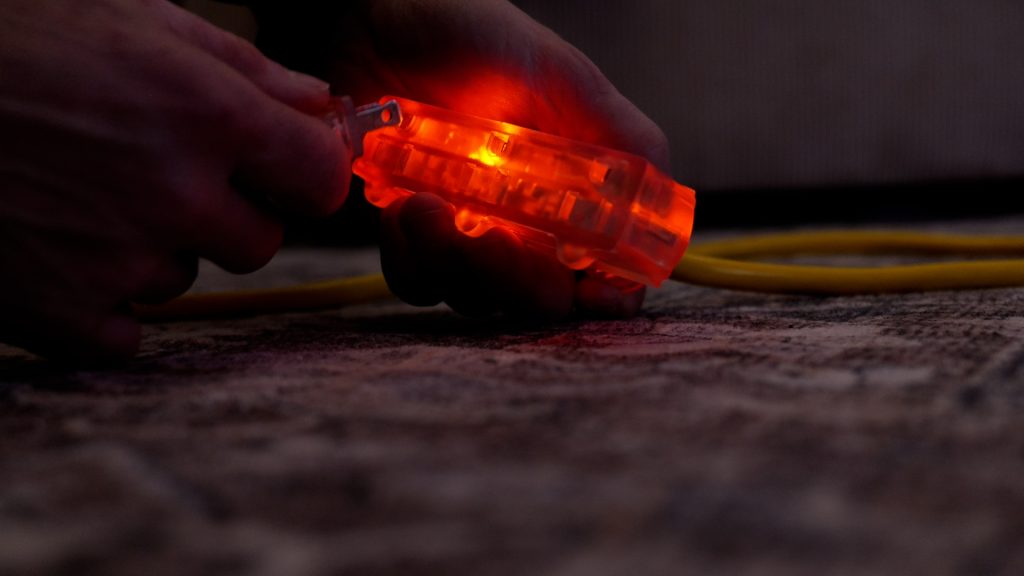
Use only outdoor-rated, heavy-duty extension cords (12-gauge recommended). Keep cords out of puddles, slush, and snow.
Using a Transfer Switch to Power Select Home Circuits
If you want to run hardwired items—like a furnace blower, well pump, or certain lights—a transfer switch installed by a qualified electrician is required.
A transfer switch isolates your home from the grid, preventing electricity from flowing backward into utility lines.
-
Why Isolation Matters (and Why Backfeeding Is Dangerous)
If a generator is connected to your home without proper isolation, it can send electricity back into UPPCO’s system. This is called backfeeding, and it puts everyone at risk.
Backfeeding can:
-
- Energize lines that crews believe are off
- Damage your home and your neighbors’ electrical equipment
- Start electrical fires
- Cause serious injury or death
Even small portable generators can send high enough voltage into the lines to harm workers. That’s why isolation—either by disconnecting circuits through a transfer switch or using extension cords only—is so critical.
“When we’re restoring power, we count on lines being de-energized. A generator connected incorrectly can change that in an instant. Using yours safely helps protect your home, your neighbors, and UPPCO field staff.”– Dan Freeborn, Manager of Communications & External Affairs |
-
Never Pull Your Own Meter
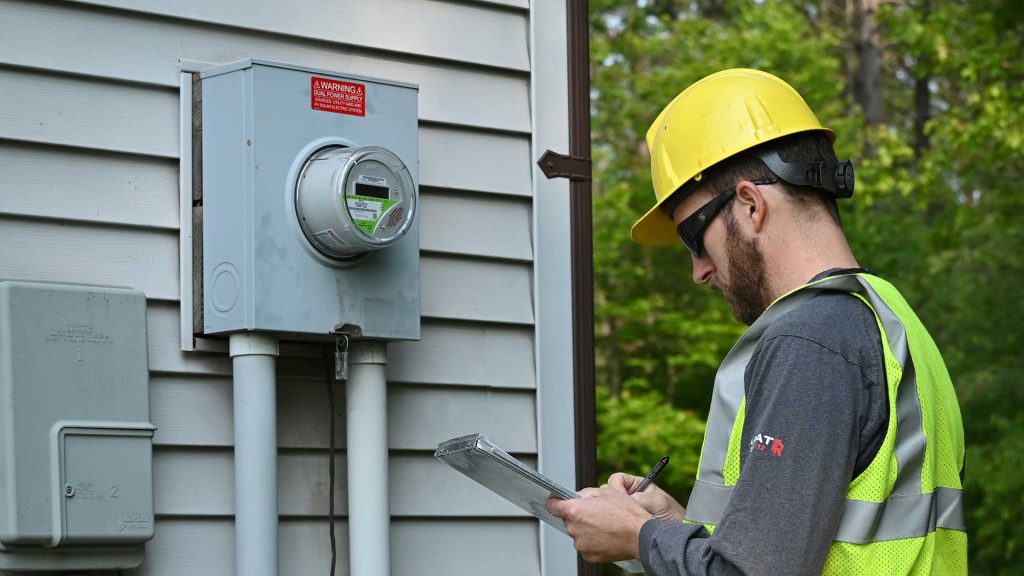
When using a generator, it is mandatory to isolate your home or the circuits being powered from UPPCO’s electric system. Isolation prevents electricity from flowing back onto the grid and protects utility crews, neighbors, and your home. However, isolation must never be achieved by pulling your electric meter.
To “pull a meter” means to manually remove the electricity meter from the meter base on the outside of a house. This action physically disconnects your property from the main electrical grid, immediately cutting all power to the home.
This one deserves a firm reminder: Never pull your electric meter to disconnect your home.
Pulling a meter is illegal, initiates a $350 unauthorized use fee, and is extremely dangerous. It can cause:
-
- Arc flash (hotter than the sun)
- Severe burns or electrocution
- Permanent equipment damage
- Service issues that require professional repair
If you ever have a concern with your meter, call UPPCO. We’re here to help.
-
Winter Generator Operation Tips
Winter storms create unique challenges. Snow buildup, freezing rain, and cold temperatures can all affect generator safety and performance.
Tips for cold-weather operation:
-
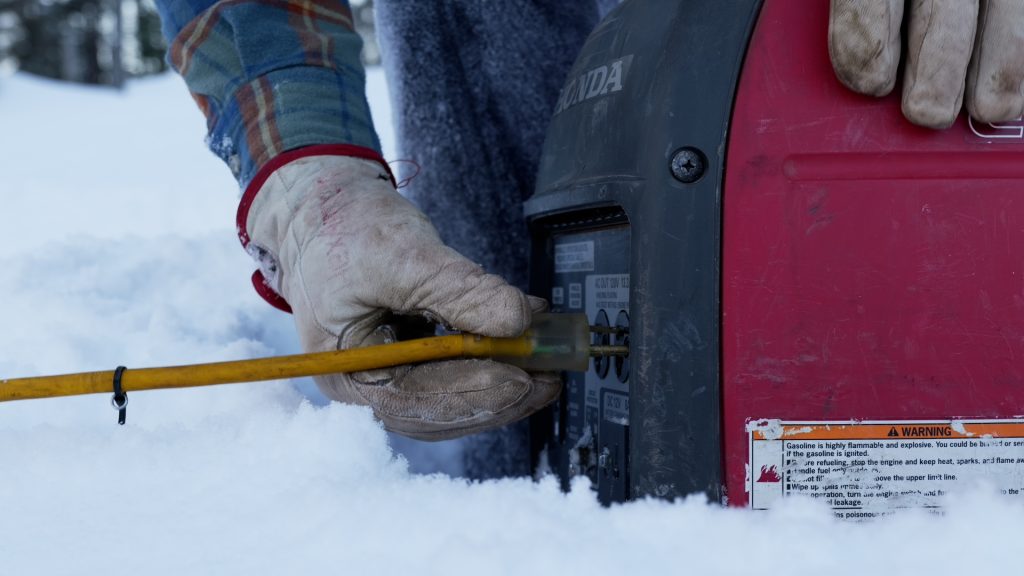
- Clear snow around the generator to ensure good airflow.
- Prevent drifts or blowing snow from blocking the air intake.
- Expect a longer warm-up time in cold weather.
- Use fresh, winter-grade fuel and follow the manufacturer’s cold-start instructions.
- Keep extension cords elevated and dry, away from snowbanks and slush.
- Check periodically for ice buildup on vents or controls.
Generators breathe—and winter weather tries very hard to take that breath away. Stay ahead of the snow.
-
Protecting Sensitive Electronics
Some generators produce small fluctuations in voltage and frequency, especially when loads change quickly. Sensitive electronics can be affected by these variations.
Easy ways to protect devices:
-
- Use a surge protector or an uninterruptable power supply (UPS)
- Let the generator run and stabilize for 2–3 minutes before plugging in electronics
- Plug in larger appliances (space heaters, pumps) after electronics
- Avoid cycling too many large loads at once
If you regularly power computers, TVs, or medical equipment, consider an inverter generator, which produces much cleaner, more stable power.
-
Fueling Safety and CO Awareness
Fuel safely:
-
- Let the generator cool completely before refueling
- Store gasoline in approved containers
- Keep fuel at least 20 feet from ignition sources
- Never refuel in garages or sheds
- Add fuel stabilizer if storing long-term
Know the signs of carbon monoxide exposure:
-
- Headache
- Dizziness
- Confusion
- Nausea
- Difficulty breathing
If you suspect CO exposure, stop the generator, go outside immediately, and call for help.
-
Quick “Never Do This” List
A fast reference you can skim during an outage:
-
- ❌ Never run a generator inside or near enclosed spaces
- ❌ Never plug the generator into a wall outlet (dangerous & illegal)
- ❌ Never connect to your panel without a transfer switch
- ❌ Never overload the generator
- ❌ Never run without working CO detectors
- ❌ Never place the generator near windows or vents
- ❌ Never pull your own meter
UPPCO is the Upper Peninsula’s largest electric utility serving approximately 52,000 customers across 4,460 square miles. UPPCO and its predecessors have excelled at providing dependable service and safe, reliable energy to its valued customers for more than 135 years.